When water damage hits your home, one of the first things that runs through your mind — right after “how do I stop this?” — is “how much is this going to cost me?”
It’s a fair question, and it’s one most restoration companies dodge. We’re not going to do that. While every water damage situation is genuinely different — and we can’t give you an exact number without seeing your home — we can walk you through the factors that determine cost so you know what to expect and can make smart decisions from the start.
Here’s an honest look at how water damage restoration pricing works in Colorado.
Why There’s No One-Size-Fits-All Price
The honest answer is that water damage restoration costs vary widely because no two situations are the same. A small kitchen leak caught within an hour is a completely different job than a basement flood that sat for three days. The difference isn’t just the amount of water — it’s what the water touched, how long it sat, and what category of water you’re dealing with.
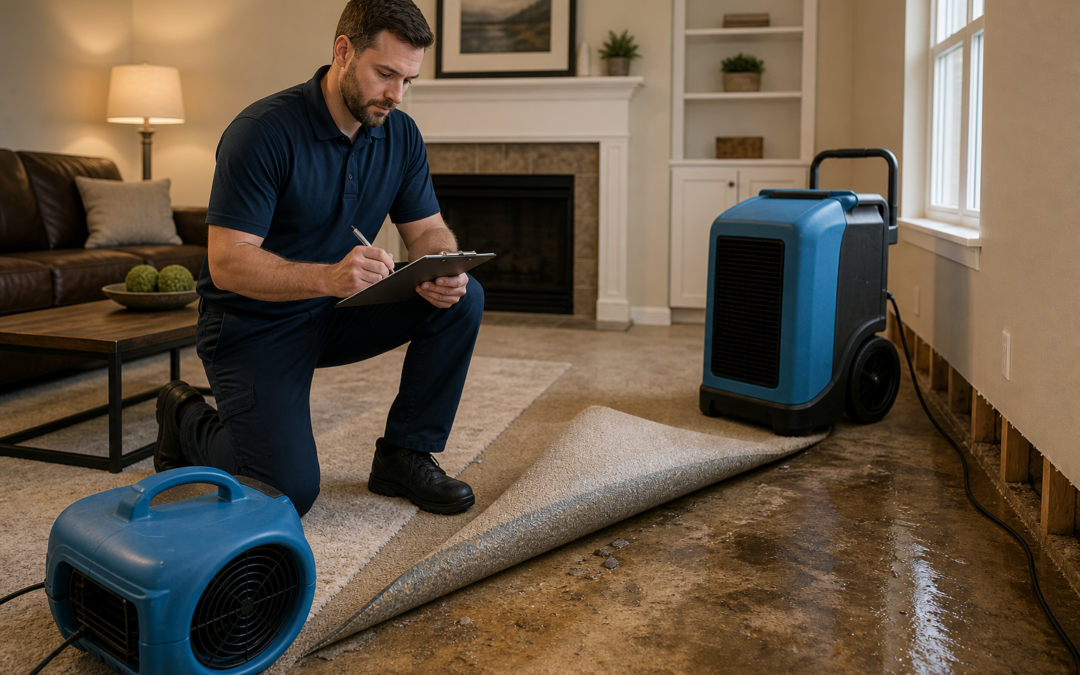
That’s why any company that quotes you a flat price over the phone without seeing the damage should raise a red flag. Accurate pricing requires an on-site inspection — and that’s something Revive provides for free.
The Factors That Drive Water Damage Restoration Cost
Here are the key variables that determine what a restoration project will cost:
1. The Category of Water
Not all water is created equal, and the type of water involved has a big impact on the scope (and cost) of restoration:
- Category 1 (Clean Water): This is water from a clean source — a broken supply line, a leaking faucet, or rainwater intrusion. It’s the least hazardous and generally the least expensive to address.
- Category 2 (Gray Water): Water from appliances like dishwashers or washing machines, or water that’s sat long enough to begin developing contaminants. Requires more careful handling and additional sanitation steps.
- Category 3 (Black Water): Sewage backup, floodwater from outside, or any water that contains serious contaminants. This is the most complex and involved type of restoration because it requires full removal of contaminated materials, professional sanitation, and PPE-level safety protocols.
2. The Class of Damage (How Much Material Is Affected)
The restoration industry uses a classification system based on how extensively water has spread:
- Class 1: Water affects only a small area and has absorbed into minimal material. Think: a leak under a sink caught quickly.
- Class 2: Water has absorbed into a larger area, affecting an entire room or more, including carpet, cushion, and wicking up walls less than 24 inches.
- Class 3: Water has come from overhead (burst pipe in the ceiling, roof leak) and has saturated walls, ceilings, insulation, and subfloors. The most difficult to dry because water has spread through the full structure.
- Class 4: Deep saturation into dense materials like hardwood floors, concrete, plaster, or stone. Requires specialty drying techniques and equipment.
Each step up in class means more equipment, more labor, and more time to dry and restore — which impacts cost.
3. Square Footage and Affected Materials
The more area that’s affected, the more it costs. But the type of material matters just as much as the size. Drying a concrete slab is a different process than drying hardwood floors, and replacing tile is different from replacing carpet. Homes with high-end finishes may cost more to restore simply because the replacement materials are more expensive.
4. Mold Involvement
If water sat for more than 24–48 hours, there’s a strong chance mold has started growing. Mold remediation is a separate scope of work that involves containment, removal, HEPA filtration, and sometimes additional testing. If mold is present, it adds to the overall project cost — but catching it early keeps it manageable.
5. What Insurance Covers (and What Comes Out of Pocket)
Most homeowner’s insurance policies cover sudden and accidental water damage — like a burst pipe or a failed appliance. What they typically don’t cover is damage from gradual leaks, deferred maintenance, or flood events (which require separate flood insurance).
The amount your insurance covers depends on your policy, your deductible, and how well the damage is documented. This is one of the biggest reasons we recommend calling Revive before calling insurance: when we document the damage on-site from the very beginning, your claim is stronger and more likely to cover the full scope of work.
How to Get a Real Estimate
The best way to know what your water damage restoration will cost is simple: let a professional look at it.
Revive Restoration provides free on-site inspections across Northern Colorado. We’ll come to your home, assess the full scope of damage — including what’s hidden behind walls and under floors — and give you an honest assessment of what needs to happen.
There’s no obligation, no pressure, and no mystery. You’ll know exactly what you’re dealing with before you make any decisions.
Why Calling Revive First Saves You Money
Here’s something most homeowners don’t realize: the single biggest thing that drives up restoration costs is time. The longer water sits, the more damage it does — and the more expensive the restoration becomes.
Calling Revive right away — before calling your insurance company — means:
- We start drying immediately, which prevents secondary damage and mold growth
- We document everything professionally, which strengthens your insurance claim
- We help you avoid paying for damage that didn’t need to happen (because it was prevented by fast action)
Every hour you wait is an hour water is spreading, wicking, and creating new damage. The fastest way to keep costs down is to pick up the phone.
Get Your Free Estimate Today
If you’re dealing with water damage right now — or you’re worried about a leak, a stain, or a musty smell that won’t go away — call Revive Restoration at (720) 340-3499. We respond within 60 minutes across Northern Colorado, including Longmont, Loveland, Johnstown, Windsor, Greeley, and Fort Collins.
Free inspection. Honest answers. No surprises.
Call Revive before calling insurance — and let’s get your home back to normal.