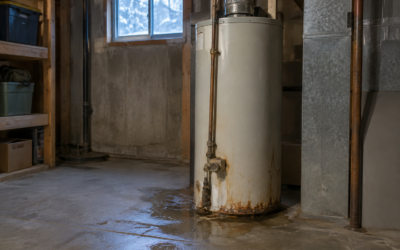
Your water heater works harder in a Northern Colorado winter than at any other time of year. The water coming into your home from the city or your well can be close to freezing in January, so the tank has to heat it further, more often. Add holiday guests and longer,...
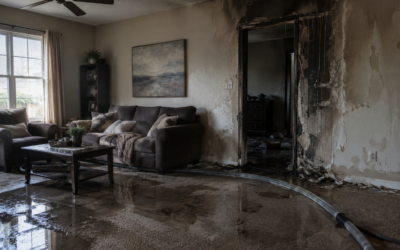
Water Damage After a House Fire: What Firefighting and Sprinkler Water Leave Behind
Heating season is when home fires peak. Space heaters, fireplaces, holiday candles and overloaded cords all play a part. When a fire happens, everyone rightly focuses on getting out safely and on the damage from the flames and smoke. What many homeowners don't expect...
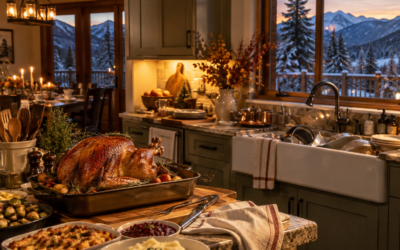
Hosting Thanksgiving? Plumbing and Water Damage Prevention for the Holidays
Thanksgiving is about four weeks away, and if you're hosting, your kitchen and bathrooms are about to work harder than they do any other day of the year. More cooking, more dishes, more guests, more showers and more flushing all hit your plumbing at once. That's why...
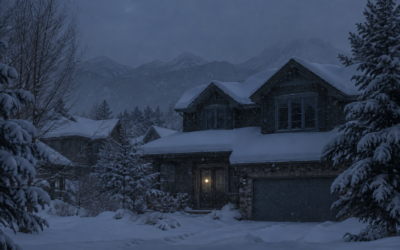
Power Outage in a Colorado Winter: Sump Pump, Frozen Pipe and Flood Risks
When a winter storm or high-wind event knocks out power along the Front Range, most people think about staying warm. But a dark house in January is also a house with no sump pump, no furnace and pipes that are cooling by the hour. Some of the worst basement floods and...
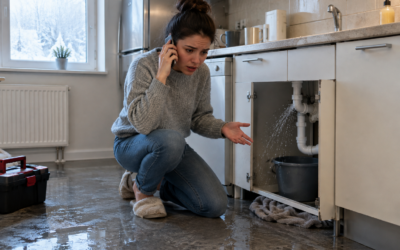
Renters: Who Pays When a Pipe Bursts in Your Apartment?
It's the first real cold snap of the season. You wake up, walk into the kitchen of your apartment, and there's water spraying from under the sink or coming through the ceiling from the unit upstairs. Your couch, rug and laptop bag are soaking it up. After "how do I...
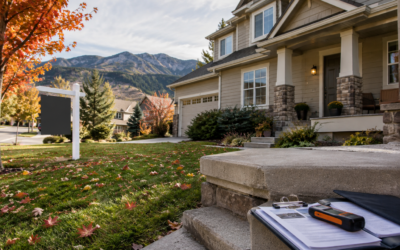
Selling a Home With Past Water Damage: What You Have to Disclose in Colorado
You're getting ready to list your home, and you remember the basement flood from a few years ago, or the time the water heater let go, or the roof leak after that big hailstorm. Now you're wondering: Do I have to tell buyers about that? Will it scare them off? Past...