
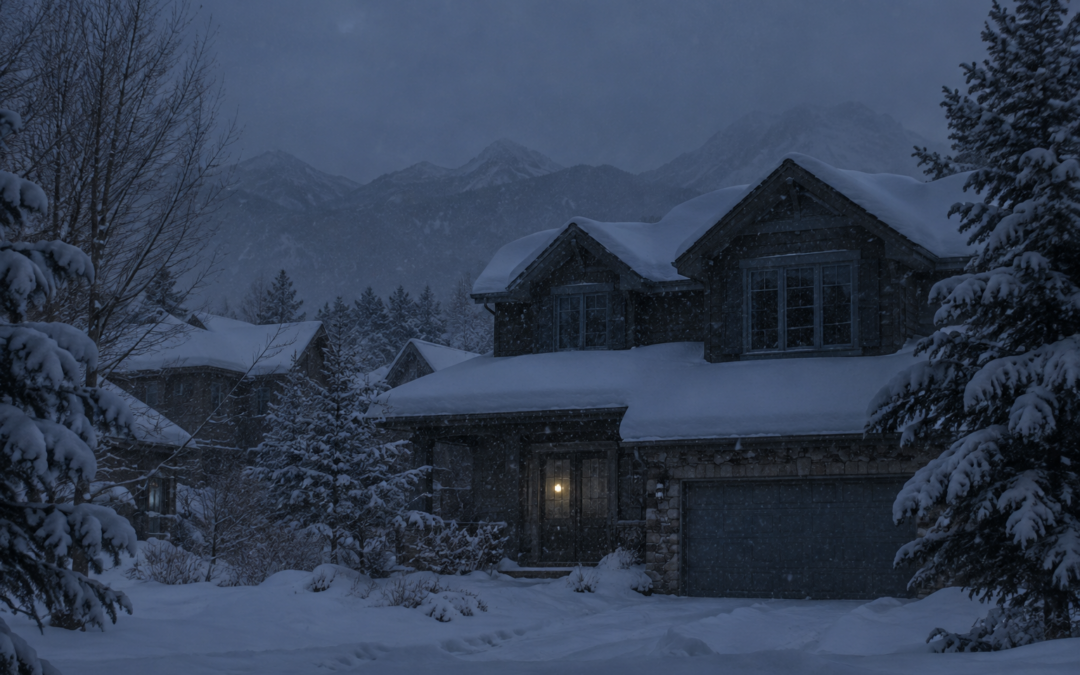
When a winter storm or high-wind event knocks out power along the Front Range, most people think about staying warm. But a dark house in January is also a house with no sump pump, no furnace and pipes that are cooling by the hour. Some of the worst basement floods and burst pipes we see in Northern Colorado start with a simple power outage.
Here’s what fails when the power drops, how to protect your home while it’s out, and what to do if you find water when the lights come back on.
What Stops Working When the Power Goes Out
- Your sump pump. Most sump pumps run on household power. If the outage comes with melting snow or a wet storm, groundwater keeps rising in the pit and has nowhere to go but your basement floor. (More on this in our guide to sump pump failure and basement flooding.)
- Your furnace. Even gas furnaces need electricity for the blower and controls. Without heat, a home in Fort Collins, Loveland or Windsor can drop into the 40s overnight, and the pipes in exterior walls, crawl spaces and garages get there first.
- Heat tape and well pumps. Heat cables on vulnerable pipes go cold, and homes on wells lose water pressure, which can let lines freeze faster.
- Smart leak detectors and shutoff valves. Battery backup matters here. A smart leak detector or automatic shutoff valve without a backup battery or Wi-Fi can’t warn you.
Before the Next Storm: A Battery Backup Sump Checklist
If your home has a sump pump, the best time to plan for an outage is before it happens.
- Add a battery backup pump or a water-powered backup if you’re on city water. A backup pump that kicks on when the main pump loses power is the single biggest protection you can add.
- Test it every fall. Pour a bucket of water into the pit and make sure both pumps cycle. Batteries usually need replacing every few years.
- Clear the discharge line. Make sure the outdoor line isn’t frozen or buried in snow. A frozen discharge pipe can make even a working pump useless.
- Know where your main water shutoff is. Everyone in the house should be able to find it in the dark.
- Keep a flashlight and a wet/dry vac handy in a spot you can reach without power.
Keeping Pipes Safe While the Power Is Out
An outage of a few hours usually isn’t a problem. The risk climbs when it stretches overnight or the temperature outside is in the teens or lower.
- Keep the house closed up. Close interior doors you don’t need, keep the garage door shut and cover drafty windows to hold heat in.
- Open cabinet doors under sinks on outside walls so what warmth is left can reach the pipes.
- Let faucets drip. A slow drip from hot and cold lines keeps water moving and relieves pressure if ice starts to form.
- Never use a grill, camp stove or generator indoors to heat the house. Carbon monoxide is a much bigger danger than a frozen pipe.
- If the outage will last a long time, consider shutting off the main water valve and opening the faucets to drain the lines. Our winter travel checklist walks through the same steps you’d use for a long absence.
For more ways to winterize, see our frozen pipe prevention guide for Northern Colorado.
When the Power Comes Back: Check for Water
The danger isn’t over when the lights come back on. A pipe that froze during the outage often doesn’t leak until it thaws. Over the next few hours:
- Walk the basement, crawl space access, garage and any rooms with plumbing on outside walls.
- Look for water on floors, stains on ceilings and walls, and listen for hissing or dripping.
- Check that your sump pump restarted and the pit isn’t close to overflowing.
- Watch for low water pressure at a faucet, which can mean a line is still frozen.
If you find water, shut off the main water valve right away. If water has reached outlets, appliances or the electrical panel, stay out of the area and read our guide to water damage electrical hazards before you go near it.
Why Fast Drying Matters After an Outage Flood
Water from a failed sump pump or a burst pipe soaks into drywall, carpet pad, insulation and subflooring fast. Within 24 to 48 hours, mold can start to grow in a cold, damp basement, even one that doesn’t look that wet. Drying it out properly takes commercial dehumidifiers, air movers and moisture readings, not just box fans.
If a pipe burst, our frozen pipe burst restoration team can extract the water and dry the structure. For a flooded basement, see our guide on how to deal with a flooded basement.
Call Revive Before You Call Insurance
It’s natural to call your insurance company first. But a quick call to us first can help you understand what happened, what’s damaged and how to document it before you file a claim. We offer free inspections, and we can walk you through what to photograph and save. Our guide on how to document water damage for an insurance claim explains what adjusters look for.
If the power outage left you with a wet basement or a burst pipe, you don’t have to figure it out alone. Call Revive Restoration at (720) 340-3499, day or night, or visit our 24/7 emergency service page. We’ll help you get dry, get answers and get your home back.
Frequently Asked Questions
How long can a house go without power before pipes freeze?
It depends on outside temperature and insulation. In a well-insulated Colorado home, pipes are usually safe for several hours. Once outdoor temperatures are in the teens or lower and the outage runs overnight, pipes in exterior walls, crawl spaces and garages are at real risk.
Will my sump pump work during a power outage?
Not unless it has a battery backup or a water-powered backup. A standard sump pump stops the moment the power goes out, which is why outages during snowmelt or wet storms often lead to basement flooding.
Should I turn off my water during a long power outage?
If the outage is expected to last a long time in freezing weather, shutting off the main water valve and draining the lines by opening faucets can prevent a burst pipe from flooding your home. Make sure everyone in the house knows where the shutoff is.
What should I check when the power comes back on?
Walk the basement, garage and any rooms with plumbing on outside walls. Look for water, ceiling stains and low water pressure, and make sure your sump pump restarted. Frozen pipes often leak only after they thaw.
Who should I call if my basement flooded during a power outage?
Call Revive Restoration at (720) 340-3499 before you call insurance. We offer free inspections, extract the water, dry the structure to prevent mold and help you document the damage for your claim.
Serving all of Northern Colorado: Revive Restoration responds across Fort Collins, Loveland, Windsor, Johnstown, Greeley, Longmont, Timnath, Berthoud, Wellington, Severance, Erie, and every community on our service areas map. Learn more about our water damage restoration and mold remediation services, see how our restoration process works, or request a free inspection.