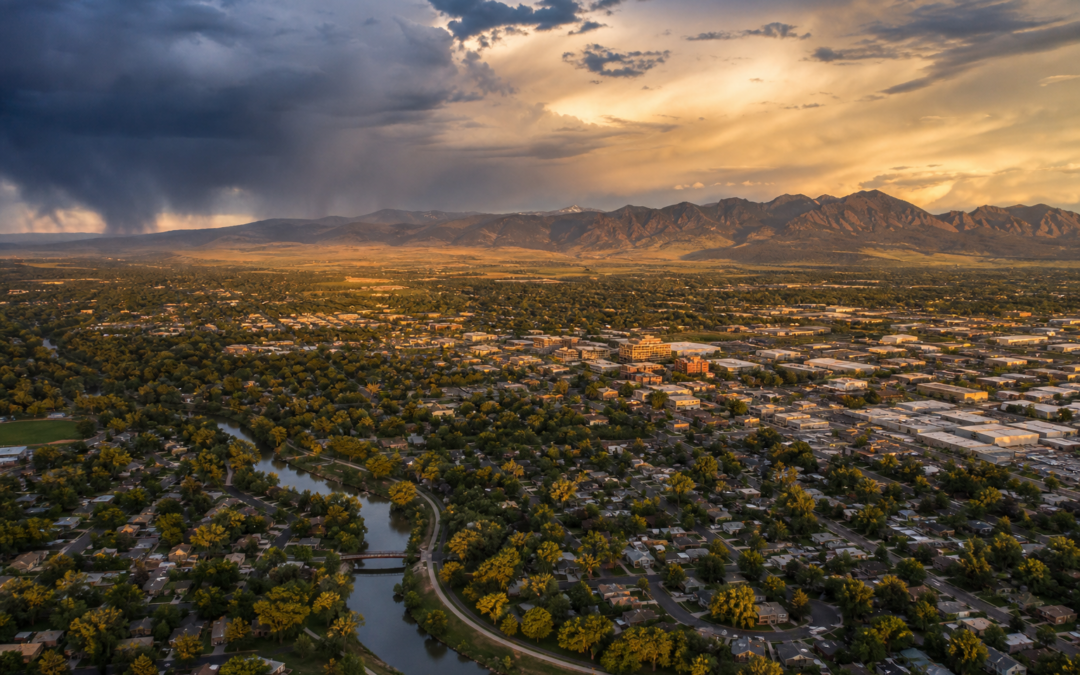
If you’re a homeowner in Longmont, you probably already know that water can be unpredictable out here. Between the St. Vrain Creek running right through town, afternoon thunderstorms that dump inches of rain in minutes, and an older housing stock with basements that were never designed for Colorado’s shifting soils — water damage is more common in Longmont than most people realize.
When water gets into your home, the clock starts ticking immediately. Within 24 to 48 hours, what starts as a wet floor or a damp wall can escalate into mold growth, structural damage, and thousands of dollars in repairs. Knowing what to do — and who to call — makes all the difference.
Here’s what Longmont homeowners need to know about water damage, what causes it, and how to protect your home when it happens.
Why Longmont Homes Face Unique Water Risks
Longmont sits in a unique position along Colorado’s Front Range that creates several overlapping water risks:
- St. Vrain Creek flooding: The 2013 flood is still fresh in many residents’ memories. The St. Vrain Creek corridor runs through the heart of Longmont, and homes near the creek remain at elevated flood risk, especially during heavy snowmelt or sustained summer rain. Even homes outside the official flood zone can experience groundwater seepage when the water table rises.
- Older home construction: Longmont has a mix of historic homes in the downtown core and subdivisions built from the 1970s through 1990s. Many of these older homes have aging plumbing, original water heaters, and foundation cracks that let moisture in during wet seasons. Polybutylene pipes — common in homes built between 1978 and 1995 — are especially prone to failure.
- Basement construction: Unlike newer construction in areas like Erie or Frederick, many Longmont homes have full basements that sit partially or fully below grade. These basements are prime targets for sump pump failure, foundation seepage, and sewer backup during heavy rain events.
- Summer storm intensity: July and August storms can deliver heavy, localized rainfall that overwhelms storm drains and creates flash flooding conditions — especially in neighborhoods where drainage infrastructure hasn’t kept up with development.
The Most Common Water Damage Scenarios We See in Longmont
Every home and every water event is different, but here are the situations Revive sees most often from Longmont homeowners:
- Burst or leaking pipes: Aging supply lines and water heaters are the #1 source of residential water damage in Longmont. A failed water heater in the basement can release 40–80 gallons before anyone notices. In winter, frozen pipes that burst during a cold snap can cause even more damage.
- Basement flooding after storms: Heavy rain overwhelms sump pumps (or triggers failures in homes without one), and water enters through foundation cracks, window wells, or floor drains. We get more calls from Longmont basements during July than any other month.
- Sewer backup: During major rain events, Longmont’s older sewer infrastructure can get overwhelmed, pushing contaminated water back into homes through basement floor drains. This is a Category 3 (black water) event and requires professional remediation — it’s not something you should clean up yourself.
- Appliance failures: Dishwashers, washing machines, and refrigerator water lines fail without warning. The damage is often hidden — water seeps under cabinets, behind walls, and into subfloors before you notice it.
- Roof leaks from hail damage: Northern Colorado’s hailstorms hit Longmont hard, and damaged shingles can let water into your attic and walls during the next rain. Damage from roof leaks is often hidden for weeks before it shows up as a ceiling stain.
What to Do in the First Hour After Water Damage
The actions you take in the first 60 minutes can significantly reduce the total damage and cost of restoration. Here’s what we recommend:
- Stop the water source if you can. Turn off the main water supply if it’s a pipe or appliance failure. If it’s a storm or flood, focus on getting people and pets to safety first.
- Call Revive before calling insurance. This is the most important step. Having a restoration professional assess the damage before you file your claim means the full scope gets documented properly. We’ll help you understand exactly what happened, what’s affected, and what your insurance should cover. Adjusters respond better to professional documentation.
- Don’t walk through standing water if the power is on. Water and electricity are a deadly combination. If there’s any standing water near electrical outlets, panels, or appliances, stay out until the power is shut off at the breaker.
- Document what you can. Take photos and videos of all affected areas, damaged belongings, and the water source if visible. This documentation will be essential for your insurance claim.
- Move valuables to dry ground. If you can safely do so, get furniture, electronics, documents, and irreplaceable items out of the affected area.
How Revive Restoration Handles Water Damage in Longmont
When you call Revive, here’s what happens:
- 60-minute response: We dispatch a crew to your Longmont home fast. Our team covers all of Northern Colorado, from Longmont up through Loveland, Windsor, Fort Collins, Greeley, and everywhere in between.
- Full assessment and documentation: We use moisture meters, thermal imaging, and other professional tools to map the full extent of the damage — including what’s hidden behind walls, under floors, and inside wall cavities. This documentation becomes part of your insurance claim.
- Water extraction and drying: We remove standing water with commercial extractors, then set up industrial dehumidifiers and air movers to dry the structure thoroughly. Proper drying prevents mold growth and protects your home’s structural integrity.
- Mold prevention and remediation: If mold has already started — or conditions suggest it will — we address it as part of the restoration process. In Longmont’s humid summer months, mold can start growing within 24 hours of a water event.
- Complete restoration: We don’t just dry your home and leave. Revive handles the full rebuild — replacing drywall, flooring, trim, and whatever else was damaged — so your home looks like it did before the water ever came in.
Revive Serves All of Longmont and Northern Colorado
Whether you’re near Main Street, out by Union Reservoir, in the neighborhoods along Ken Pratt Boulevard, or in the newer developments south of town — Revive Restoration covers all of Longmont and the surrounding areas.
We also serve Loveland, Johnstown, Windsor, Greeley, Fort Collins, Berthoud, Mead, Firestone, Frederick, and communities throughout the Northern Colorado Front Range. When water hits, we’re never far away.
Don’t Wait — Water Damage Gets Worse Every Hour
If you’re dealing with water damage in your Longmont home right now — or you’ve noticed signs like musty smells, damp spots, or discoloration on your walls or ceilings — don’t wait to see if it gets worse. It will.
Call Revive Restoration at (720) 340-3499 — 24/7, 365 days a year. We’ll be there within the hour, and we’ll walk you through everything from the damage assessment to the insurance claim.
Call Revive before calling insurance. We’ll make sure nothing gets missed.