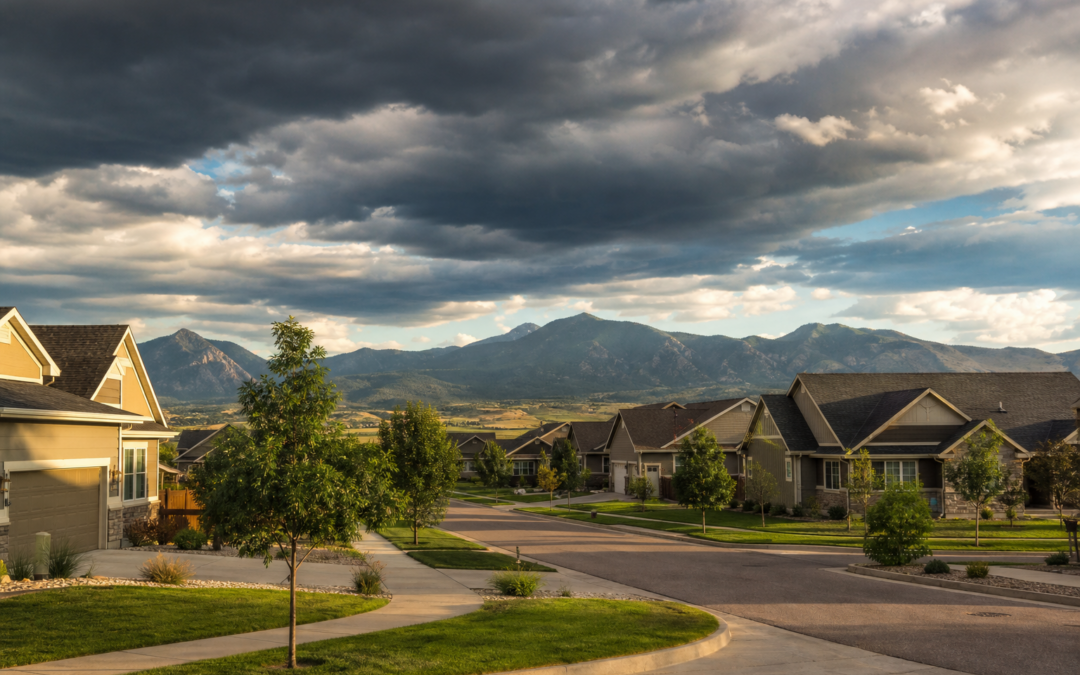
Wellington, Colorado is one of the fastest-growing towns in Northern Colorado — and with that growth comes a wave of new homeowners who may not be prepared for the water damage risks that come with living along the Front Range.
Whether you’re in a brand-new build off of I-25 or an established neighborhood closer to downtown Wellington, water damage can hit without warning. A burst supply line under the kitchen sink. A summer thunderstorm that overwhelms your window wells. A finished basement that takes on water during monsoon season. It happens more than you’d think — and when it does, the clock starts ticking immediately.
Here’s what Wellington homeowners need to know about water damage, what makes this area unique, and how to protect your home and your family when the unexpected happens.
Why Wellington Homes Face Unique Water Damage Risks
Wellington has experienced rapid growth over the past several years, which means a large portion of the housing stock is relatively new. That sounds like good news — but newer homes come with their own vulnerabilities:
- Untested drainage systems. Many Wellington developments were built on previously agricultural land. The grading and drainage systems haven’t been through decades of heavy rain yet, which means surprises during intense storms.
- Finished basements in new construction. Builders frequently finish basements as part of the original sale. That’s great for livable space — but it also means more at stake if water gets in. Drywall, carpet, and framing can all sustain serious damage before you even realize there’s a leak.
- I-25 corridor storm runoff. Wellington sits along the I-25 corridor where summer thunderstorms are frequent and intense. Heavy rain events can push surface water toward homes faster than the infrastructure was designed to handle.
- Clay-heavy soil. Northern Colorado’s soil doesn’t absorb water well. Instead, it pushes runoff toward foundations and basement walls — exactly where you don’t want it.
The Most Common Water Damage Calls We Get From Wellington
At Revive Restoration, we serve Wellington and the surrounding communities regularly. Here are the most common scenarios that bring Wellington homeowners to the phone:
- Basement flooding after heavy rain. Window wells overflow, sump pumps fail, or water seeps in through foundation cracks during prolonged rain events.
- Appliance leaks. Washing machines, dishwashers, water heaters, and refrigerator ice makers are some of the most common culprits. A slow leak behind a washer can cause serious hidden damage before anyone notices.
- Supply line bursts. The braided supply lines under sinks and behind toilets can fail without warning — especially in newer homes where connections haven’t been tested by time.
- Storm drain backup. When heavy rain overwhelms municipal storm drains, water can back up into basements through floor drains. This type of water is often contaminated and requires professional cleanup.
What to Do in the First Hour After Water Damage
If you discover water in your Wellington home, what you do in the first 60 minutes matters more than almost anything else. Here’s the playbook:
- Stop the source if you can. Shut off the water supply, unplug the appliance, or cover the window well. Whatever you can safely do to stop more water from coming in.
- Call Revive BEFORE calling your insurance company. This is important. When Revive is on-site first, we can document the damage properly, start mitigation immediately, and communicate directly with your insurance adjuster. It makes the entire process smoother — and usually faster — for you.
- Document everything. Take photos and videos of the water and any visible damage before anything gets moved or cleaned up. Your insurance claim will depend on this documentation.
- Don’t try to dry it yourself with household fans. A box fan from the garage is not going to save your finished basement. Professional drying equipment — commercial air movers, dehumidifiers, and moisture monitoring — is the only way to prevent mold growth and structural damage.
What the Restoration Process Looks Like
When you call Revive, here’s what happens:
- 60-minute emergency response. We’re based in Northern Colorado and serve Wellington directly. Our team arrives fast with commercial-grade extraction and drying equipment.
- Water extraction and assessment. We remove standing water, then use moisture meters and thermal imaging to find hidden moisture behind walls, under floors, and in ceiling cavities.
- Structural drying. Industrial dehumidifiers and air movers run for several days to bring moisture levels back to normal. We monitor daily and adjust equipment as needed.
- Mold prevention. If we catch the water early enough, we can prevent mold entirely. If mold has already started, we handle remediation as part of the same project.
- Insurance coordination. We work with all insurance carriers and handle the documentation, communication, and billing directly. You focus on your family — we handle the rest.
Why Wellington Homeowners Choose Revive
Revive Restoration is locally owned and operated right here in Northern Colorado. We’re not a franchise — we’re your neighbors. Our owner, Levi, was born and raised in the area, and our entire team lives and works in the communities we serve.
When you call Revive, you get a real person who knows Wellington, knows the local building styles, and knows how Northern Colorado weather works. We respond 24/7, we work with every insurance carrier, and we don’t stop until your home is dry, safe, and back to normal.
Wellington Water Damage? Call Revive Now.
If you’re dealing with water damage in Wellington — or you’re worried about what the next storm might bring — don’t wait. The longer water sits, the more damage it does. Call Revive Restoration at (720) 340-3499 for 24/7 emergency response. We’ll be there in 60 minutes or less.
Call Revive BEFORE you call your insurance company. It makes everything easier — for you and for your claim.