If you own rental property in Fort Collins, water damage is a different problem for you than it is for the average homeowner. Not because the water behaves differently — because you’re not the one standing in the room when it happens.
Renters occupy about 48% of occupied housing units in Fort Collins, and CSU enrolled 34,412 students in fall 2025. It’s a deep rental market. It’s also a market where the gap between when a leak starts and when the owner finds out is measured in days rather than minutes.
That gap is the whole ballgame. Here’s how to close it.
The Delay Is What Costs You
The single most expensive pattern we see in Fort Collins rentals:
A tenant notices a stain, or a soft spot, or a smell. They think it’s minor, or they don’t want to be a bother, or they text the property manager on a Friday evening and get a reply Monday morning. Meanwhile water has been moving through framing for sixty hours.
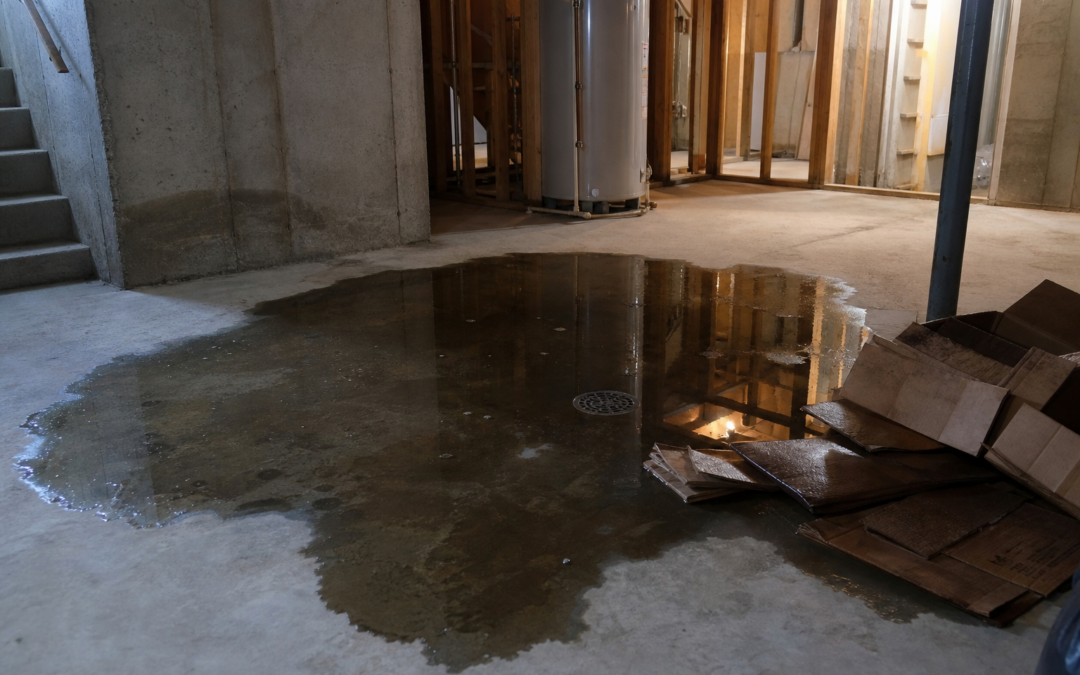
Here’s the actual math on that delay. A clean-water leak caught within a few hours is a drying job: equipment for three or four days, minimal removal, no reconstruction. The same leak caught after a weekend has wicked up drywall, saturated insulation, gotten under the flooring, and started mold growth — which can begin in trapped moisture within 24 to 48 hours. Now it’s demolition, remediation, drying, and a rebuild.
Same failure. Vastly different invoice, plus lost rent while the unit is unrentable.
The fix is unglamorous: make it absurdly easy for a tenant to report water at 2 a.m. Put an emergency number in the lease, on the fridge magnet, and in the move-in packet. Tell tenants explicitly that you would rather take ten unnecessary calls than one late one. A tenant who’s afraid of being blamed will wait, and waiting is what bankrupts the job.
Who Pays for What
This is the second-biggest source of pain, and it’s usually resolvable in advance.
The building is the owner’s. Structure, plumbing, systems, flooring, drywall, appliances you supplied — that’s your policy, and your landlord/dwelling policy should also carry loss of rents coverage for the period a unit is uninhabitable. If you don’t know whether yours does, find out this week; it’s often the difference between an annoying loss and a painful one.
The tenant’s belongings are the tenant’s. Their furniture, electronics and clothes are covered by renters insurance, not by you. Require renters insurance in the lease. It costs a tenant very little and it prevents the conversation where someone expects you to replace a laptop that sat on a wet floor.
Negligence shifts things. If a tenant caused it — an overflowed tub, an unreported leak that got worse, a disconnected supply line — their liability coverage may respond. This is exactly why written, timestamped reporting matters so much: it establishes when the tenant knew.
Two more worth checking on your own policy: a sewer/water backup endorsement (usually not included by default, and Fort Collins has plenty of older sewer laterals), and whether your deductible per unit makes small claims worth filing at all.
Tenant Access and the Law
Colorado landlords have a warranty-of-habitability obligation, and water intrusion and mold sit squarely inside it. Practically, that means you’re expected to respond to a habitability issue promptly once notified — and “notified” starts the clock whether or not you saw the message.
Two practical implications:
- Have a documented intake path. If reports come in by text to a personal phone, you have no record and no accountability. Use email, a portal, or a maintenance line that logs.
- Emergency access should already be in the lease. When a supply line is running at midnight, that’s not the moment to be negotiating notice periods. Standard notice applies to routine entry; emergencies involving imminent property damage generally don’t wait, and your lease should say so plainly.
The Fort Collins-Specific Risks
Older housing stock. Much of the rental inventory near Old Town and CSU predates 1940 — galvanized supply pipe past its life, cast iron drains, clay sewer laterals full of roots from those beautiful mature trees. Get a sewer scope on any older property you own; it’s cheap relative to a backup into a finished basement.
Winter vacancy. Student rentals empty out over winter break, and that’s precisely when pipes freeze. An unoccupied unit with the heat turned down to save money, over a two-week break, is one of the most reliable ways to produce a burst pipe. Set a minimum thermostat requirement in the lease — 60°F or above — and confirm it before break rather than hoping.
Turnover gaps. A unit empty between tenants is a unit where nobody notices a leak. If a property sits vacant, someone should physically walk it weekly. Better: put inexpensive water leak sensors under the water heater, behind the washer, and in any basement bathroom. On a rental you can’t watch daily, they pay for themselves the first time.
Multi-unit stacking. In a converted house or a duplex, an upstairs failure becomes a downstairs disaster. One leak, two units out of service, and both tenants displaced.
A Practical Prevention Checklist
- Braided stainless supply lines at every toilet, sink and washer. Replace rubber ones on turnover as a standing policy.
- Water leak sensors at the water heater, washer and any below-grade bathroom.
- Know each property’s main shutoff, confirm the valve turns, and show your tenants where it is. A tenant who can kill the water saves you thousands.
- Water heaters over 10 years get a drain pan or get replaced.
- Grade and downspouts checked annually. Most wet basements come from outside.
- Gutters cleaned spring and fall — put it on the calendar, not on the tenant.
- Sewer scope on any pre-1985 property.
- Winter walkthrough before break: heat set, no exterior hose bibs left connected, crawl space vents addressed.
- Photograph units at every turnover. A dated photo record settles damage disputes and makes claims dramatically easier.
When It Happens
Shut the water off. Get the tenant somewhere safe and dry. Photograph everything before anything moves — including the tenant’s affected belongings, which protects you as much as them.
Then call us before you call your insurer. On a rental the scope determines both the repair cost and how long the unit is off the market, and scope is set by moisture readings. We document it properly, work directly with every carrier, and give you a realistic timeline you can plan a lease around.
We work with Fort Collins owners and property managers constantly, we can coordinate directly with your tenants, and we understand that every day of drying is a day of lost rent — so we don’t leave equipment running longer than the readings justify.
Call Even If You’re Not Sure
A tenant mentions a smell. A ceiling looks slightly off at a turnover. You’re not sure whether last winter’s leak actually dried. Those are all free inspections, and our meters answer in minutes what guessing won’t.
Rental property water damage in Fort Collins? Call Revive Restoration at (720) 340-3499 — 24/7. Family operated since 2016, owned by Levi, born and raised in Northern Colorado.
See our full Fort Collins water damage restoration services, or read our other Fort Collins guides: water damage in Old Town’s older homes, flash flood risk after Spring Creek, the renter’s side of this guide, and what happens after you call. We also serve Timnath, Wellington, Windsor and Loveland — full list on our service areas page.